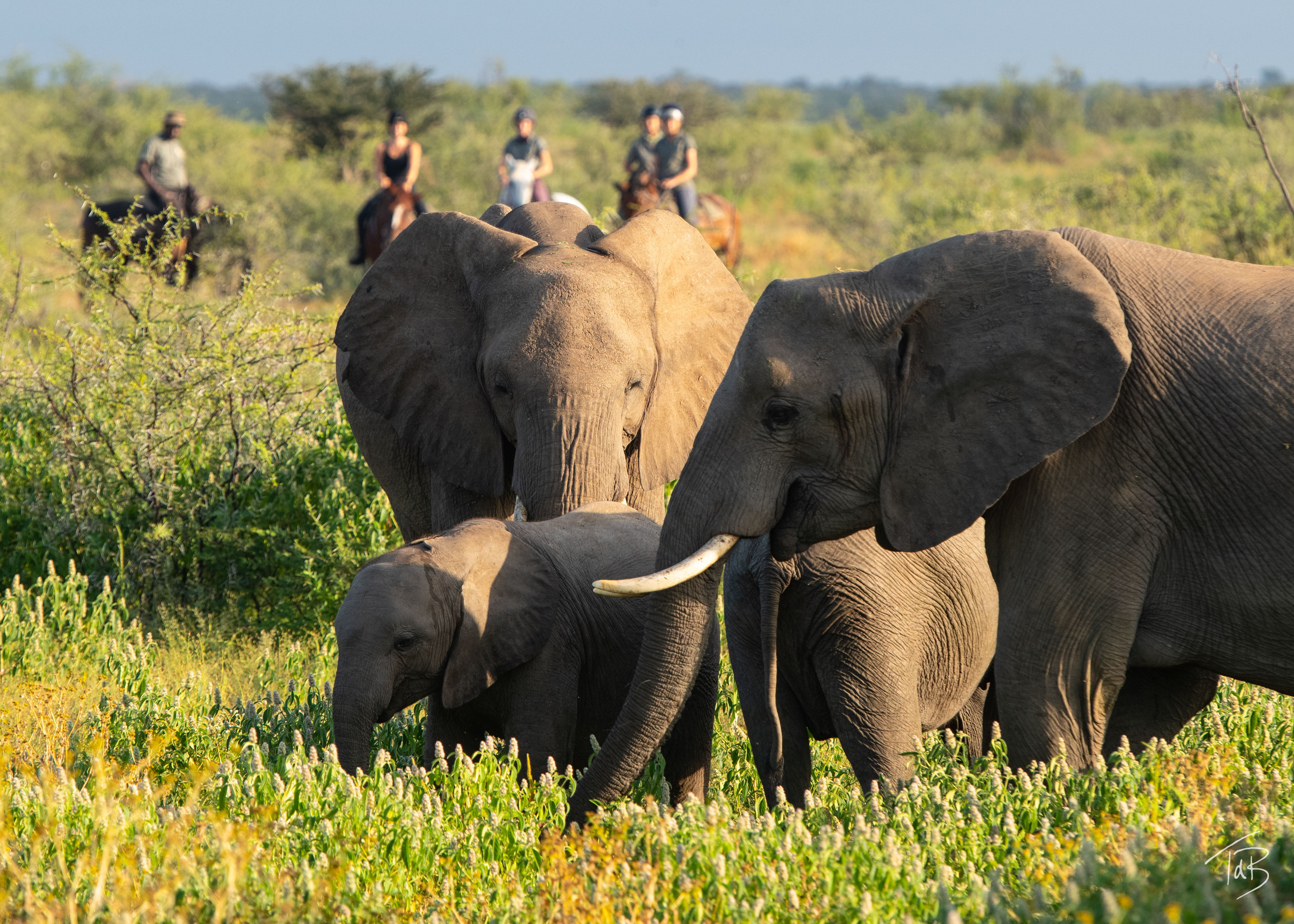
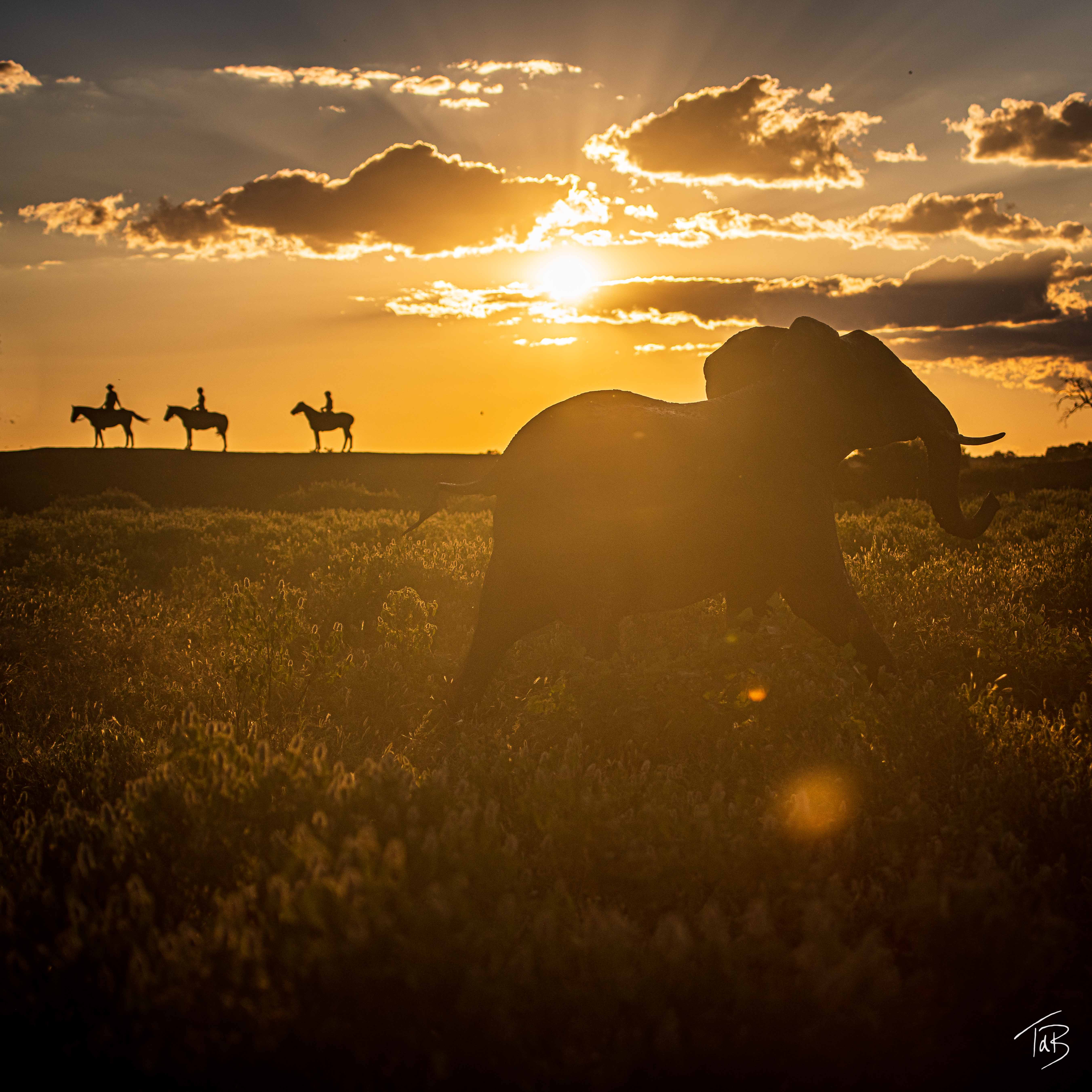
Kaingo Game Reserve is a private reserve in the heart of South Africa’s Waterberg region in Limpopo Province, around 2.5 hours from Johannesburg. The reserve covers approximately 16,400 hectares of protected wilderness and is part of the Waterberg Biosphere Reserve – the UNESCO-listed biosphere reserve known for its dramatic mountain landscapes, great biodiversity and unique geology.
The landscape at Kaingo is characterised by classic Waterberg features, with red sandstone formations, open savannah, dense bushveld, river valleys and rolling mountain ridges. The area has been shaped by millions of years of erosion and contains both ecologically and archaeologically important environments. The reserve also lies within a so-called “Critical Biodiversity Area”, meaning that the area plays an important role in conserving the region’s ecosystems and species.
Kaingo is run with a clear “conservation first” focus, with nature conservation and long-term sustainability at the centre. The reserve has a very low level of development and tourism, which contributes to the feeling of untouched and authentic wilderness. The wildlife in the area is rich and varied, with the chance to see elephants, rhinos, leopards, cheetahs, lions, giraffes, zebras, wildebeest, kudu, nyala, impala and several other antelope species. The reserve is also home to a large number of bird species and a rich plant life that varies between different parts of the landscape.
Research and conservation are a central part of Kaingo’s identity. Ongoing work is carried out here in biodiversity, ecology, climate impact and archaeology to increase understanding of Waterberg’s complex ecosystems and how the area can best be preserved for future generations. Through projects including leopard monitoring, elephant studies, habitat restoration and species reintroduction, the reserve actively works to protect and strengthen the local wildlife.