All posts
Liza Lind, Founder
"Wait, you were saying? Horseback safari?"
That's often what it sounds like, especially from fellow Swedes and other Scandinavians – and not infrequently from very horsie people – when I tell them that I work with marketing and selling horseback safaris. What riding is, they understand completely (of course…) and safari as a concept likewise. But when the two are put in the same phrase, a lot of questions suddenly arise.
"What IS a horseback safari?"
"Can anyone go on a horseback safari?"
"How much do you ride?"
"What's the accommodation like?"
"What time of year should you go?"
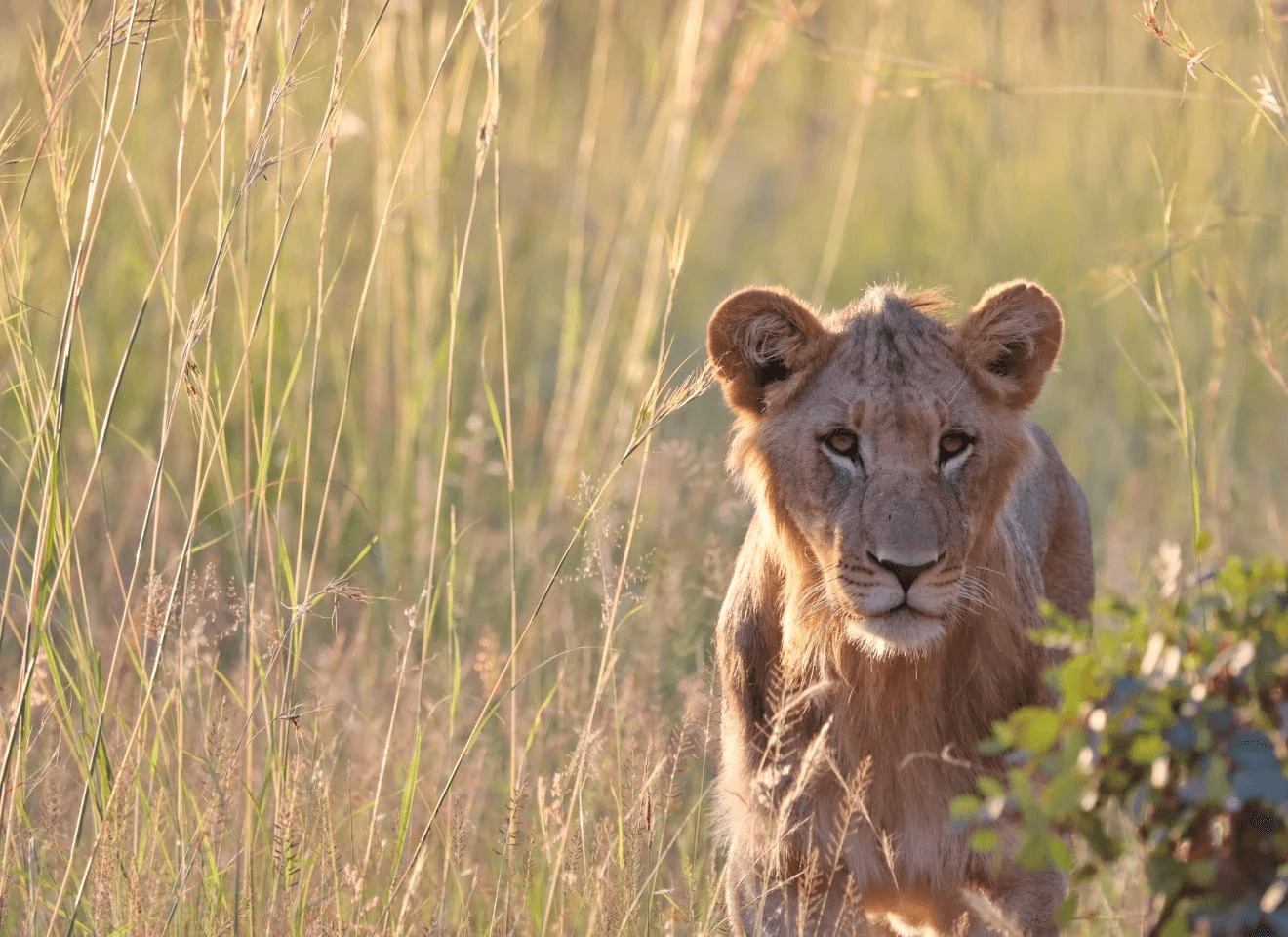
"So you actually ride among the wild animals? But what about the lions…?"
"What does a typical day look like?"
In a series of posts, we take a deep dive into everything concerning horse safaris – the experience as a whole, who can attend a horseback safari, what the accommodation is like, what time of year you should travel and much more. We begin with the very basics...
What IS a horseback safari?
In its simplest explanation: you swap the traditional safari jeep for a horse. It really is no more complicated than that, but naturally brings some differences…
What distinguishes a horseback safari from a traditional safari?
Accessibility
A jeep needs to stick to reasonably drivable terrain. The horses? They can get through almost anywhere.
Through the rivers of the Okavango, over the mountain passes of the Waterberg or through the dense bush around Mount Meru. Where a vehicle sometimes has to stop or turn back, the horses can often continue. This opens up areas that might otherwise be difficult to reach.
Closeness to nature
This is perhaps the biggest difference.
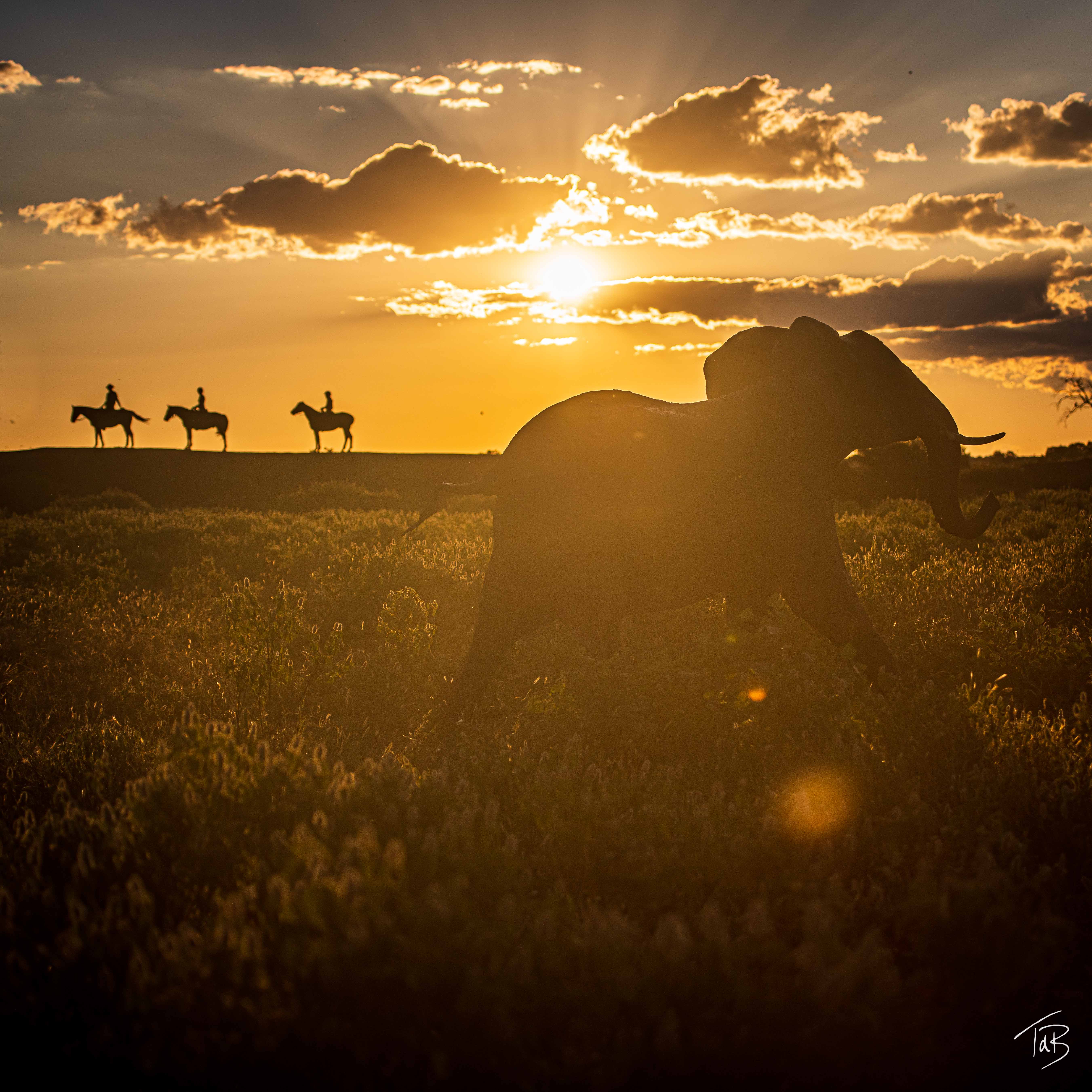
On horseback, you become part of the environment in a way that is hard to recreate in a vehicle. You experience the landscape at the same pace as the animals themselves. This is also one of the reasons why encounters with wild animals often feel extra special from horseback. For passionate horse lovers, I don't need to describe the feeling of being in the saddle. We love it. The bond with the horse. How everything else around us disappears... Those who know, know. Being able to experience that and at the same time be surrounded by Africa's wild animals and nature cannot be explained in words. It has to be experienced.
Safety
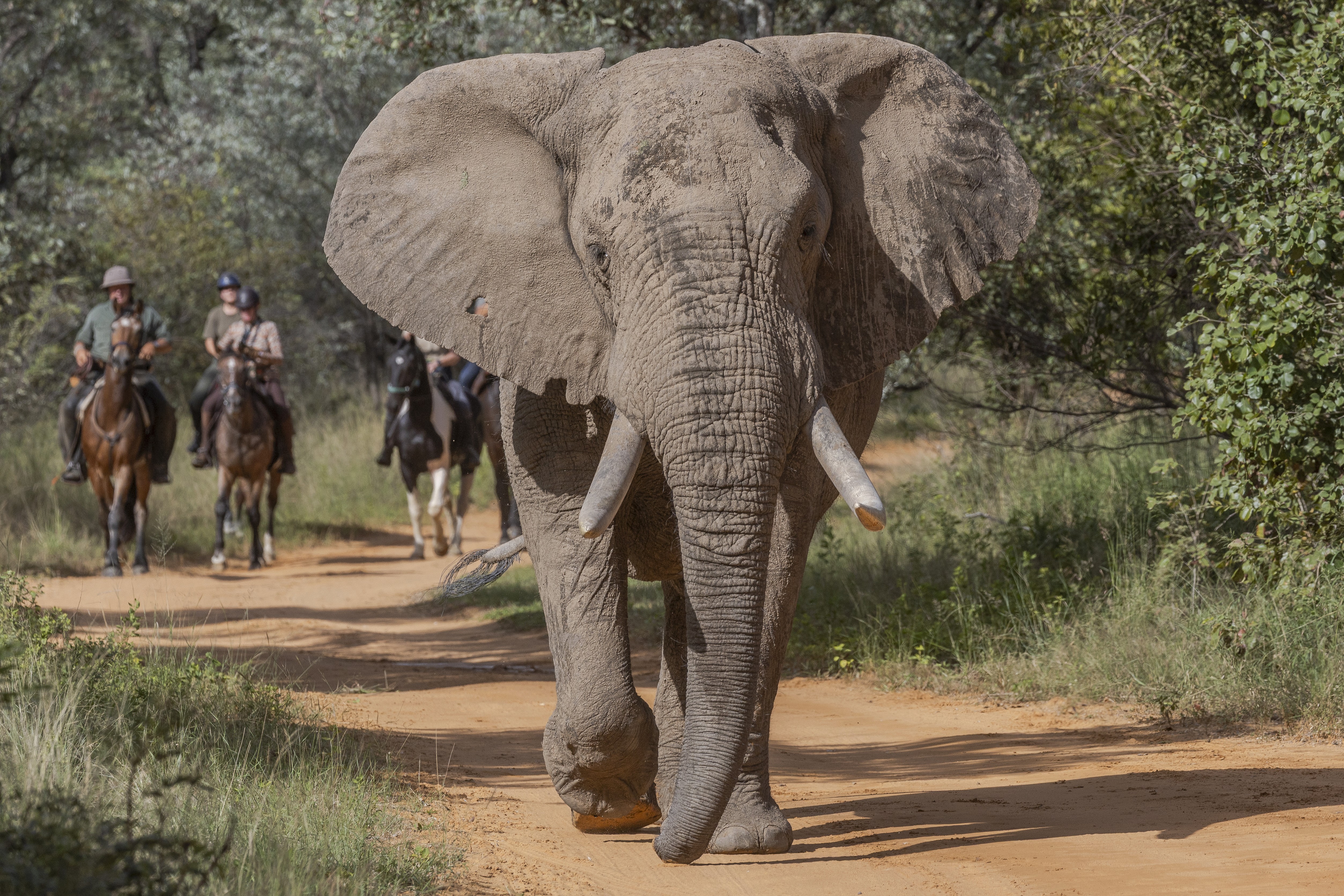
Safety precautions are present on both traditional safaris and safaris on horseback. In areas with predators and larger big game, such as elephant and buffalo, you are only allowed to ride if you are an experienced rider and you as a group are always accompanied by two guides. The lead guide is licensed, always rides at the front and carries safety equipment (such as a bullwhip or rifle).
What does a typical day look like on a horse safari?
Just as there are many different types of traditional safaris, there are also many different types of horseback safaris. An arrangement that is common on lodge-based safaris is that the day is split into two riding sessions. You typically ride a longer trail in the morning, often around three hours, and a slightly shorter trail in the afternoon. Between the rides, lunch is served and there is plenty of time for relaxation. Perhaps you spend a few hours by the pool, enjoy the view from the lodge or just take a well-deserved siesta. In many destinations, activities such as game drives, bush walks or bird watching are also offered.
On a mobile safari, the days often look a bit different. Here, you ride between different campsites and accommodations. The riding sessions are often longer (and perhaps one a day instead of two) and part of the experience is about the journey itself through the landscape.
There are also safaris that combine both arrangements, where you spend a few nights at a lodge and a few nights in a more mobile set-up.
How much do you ride?
On many horseback safaris, you ride for about four to six hours per day. Exactly how much varies between different destinations and arrangements. Some safaris focus on longer days in the saddle and suit riders who want to maximise their riding. Others offer shorter riding sessions and more time for relaxation or other safari activities.
There is great variation depending on what type of experience you are looking for.
How close do you get to the animals?
This is often the question that arouses the most curiosity and the answer is *badum tss* … surprise – that it varies. Between different destinations, different animal species and from day-to-day.
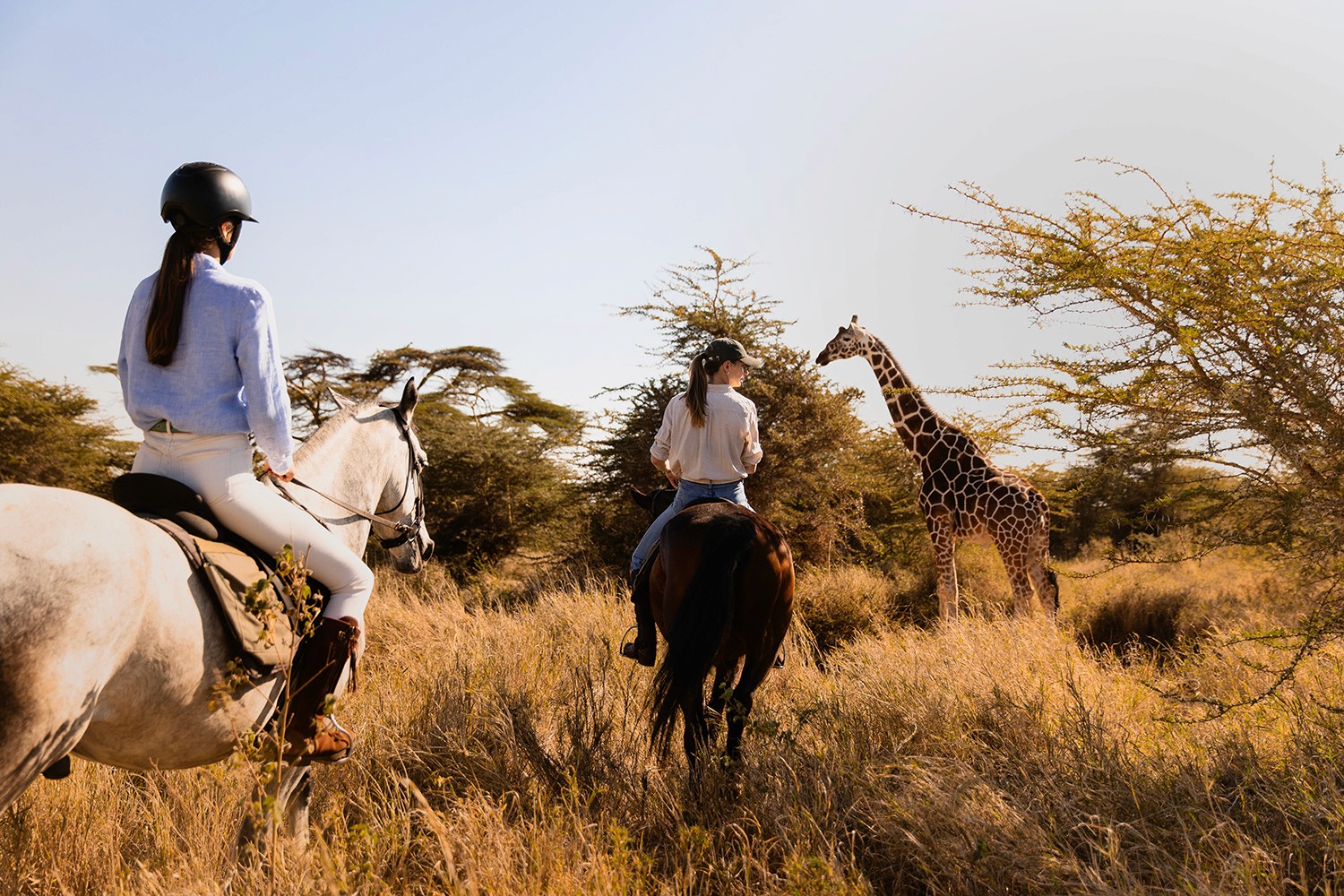
In many private reserves in, for example, South Africa, you often get very close to zebras, giraffes and various antelope species. Encounters with larger animals like elephants, or predators, are done with caution and safety in mind.
Ethics and morals are an important part of any type of safari and encounters with wild animals always take place in a respectful way and on the animals' terms.
Some of our riding safaris
Questions or concerns?
Contact us, and we will help you further.